What if the world were an apple?

world as an apple

The Earth seems like such a large place, will we ever have too many people for Earth to produce the things we need to survive? How about the plants and animals that live here? Is there enough for all of us? How much of the Earth is actually available to produce the food we need and to clean up our wastes? What’s your guess; 100% of the surface, 50%, less?

Using an apple to represent the Earth; cut the Earth into four pieces. Now throw out three of the pieces that represent the oceans. Oceans make up 75% of the Earth’s surface area.

Slice the remaining piece of Earth in half and throw out one piece representing lands, such as deserts, that are inhospitable.

Slice whats left into four sections and throw out three of them. These represent areas that are too cold, too steep, or too rocky to produce food.

Peel the skin off of the remaining slice of the apple ad keep it, throw out the rest. This small amount of skin represents the Earth’s crust, the area that has enough topsoil to produce the food on which we all depend.

The Earth doesn’t seem quite as big anymore does it? Natural resources are limited and must be used wisely so that all of us can live on this small piece of Earth.

For more information on this subject go to:

http://www.easternct.edu/sustainenergy/education/documents/FootprintCommittmentandCalculator.pdf
What am i doing?

Environment-test

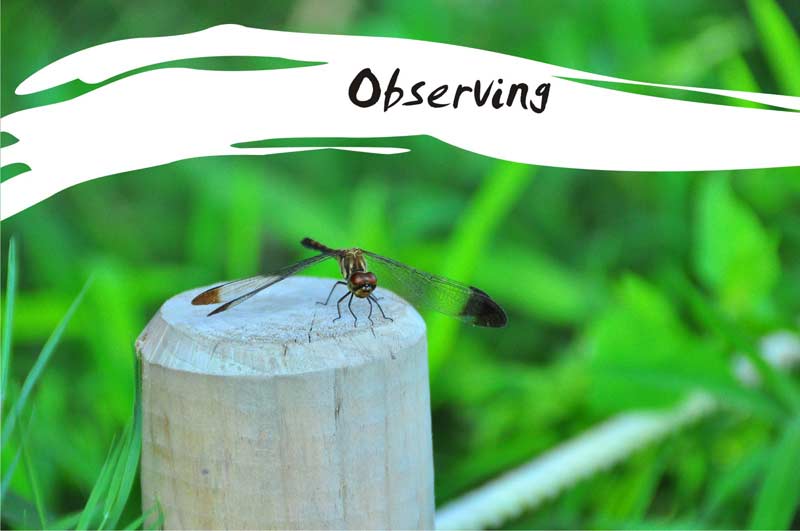
On this day we had the opportunity to learn a lot about the environment. As always in World Campus – Japan, the experience turned out to be way different than we expected. In the morning we were told we were going to learn about Yatsu. Yatsu is a place where different species of plants and insects live and its being preserved by an environmental group in the city of Abiko. We walked through the Yatsu and observed the area.

Once we got back we created different types of collages with material that we collected at the Yatsu and talked about each of them with our team. Then we played a fun trivia game to win points for our teams, the questions had of course an environmental focus.

We for sure learned things that we never expected to know, like the fact that a Styrofoam cup takes 400 years to decompose while an orange peel takes only six months. We also learned fun things like the fact that an average child uses 6000 diapers through his lifetime. 🙂 who would have known.

After all that it was time to do something more serious and an activity that was going to make us think about what we do every day to preserve or damage the environment. We took a test that tells you exactly how many worlds you need to sustain your lifestyle, and as we know, we only have one world! Check out this link, take the test and start thinking about what you do to yourself and to the environment every day.

http://www.easternct.edu/sustainenergy/education/documents/FootprintCommittmentandCalculator.pdf
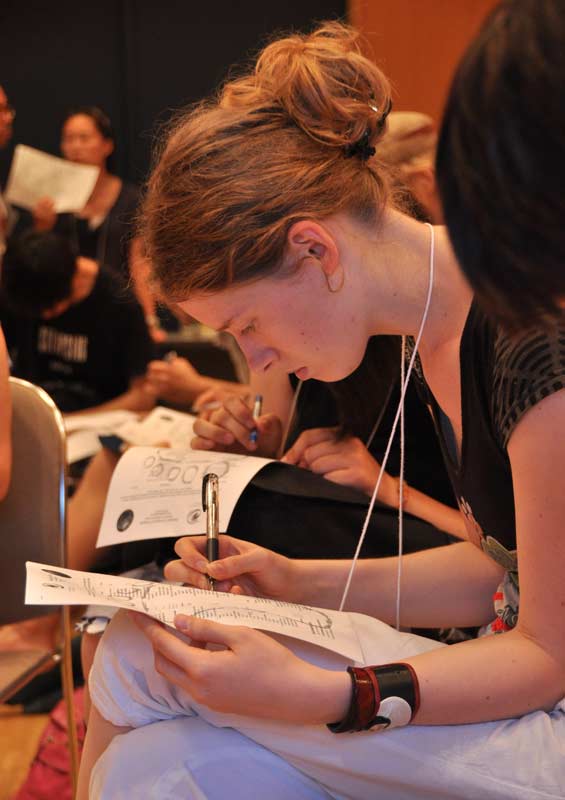
We finish the environmental day with a very visual activity that we will talk about on the next post. Very interesting to know that if we think of the earth as an apple we would be doing less things to damage it.

Small places, great stories!

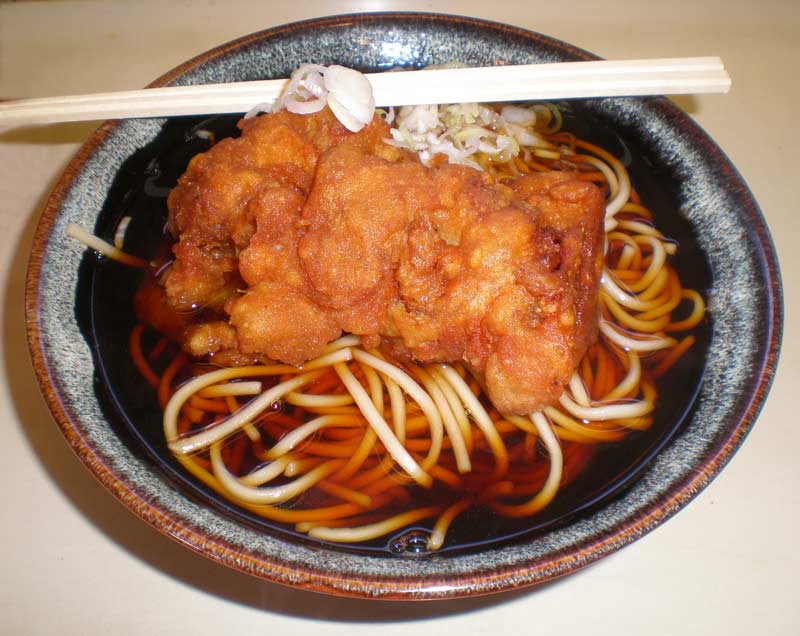
Chicken Soba

World Campus – Japan participants arrived at the train station in Abiko. The highlight of this day was our lunch and the story that goes with it. We went to eat to a standing soba place. You order your food and then you stand there to eat it. This little place is located in between the train racks. Take a look 🙂 http://www.360cities.net/image/yayoi-ken-the-standing-up-eating-noodle-shop-japan#0.00,0.00,70.0

Once the trains started to transport people from and into Abiko, there were people selling Bento Boxes (Lunch Boxes) to the users but with the improvement of the train systems in Japan, they decided to create a very small business to serve awesome, inexpensive food for the users of the trains.

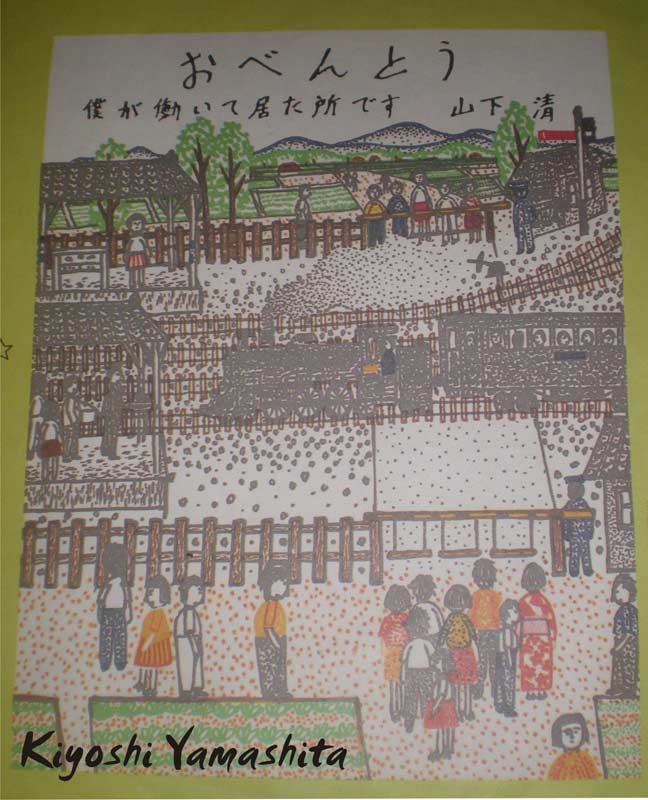
During the Bento Boxes time, there was a handicap young man who liked drawing pictures, he used to work at this place. Kiyoshi Yamashita was his name and he was asked to design the package of the bento boxes to sell. Design that now has a very high price because he became a very famous artist in Japan. That makes the standing soba places at the Abiko Train Station even a more exciting place to not only eat but to learn about Abiko’s history!

Unique Access to Japan!

close

Enjoy this blog? Please spread the word :)

  • Facebook
  • Instagram
  • YouTube
  • Twitter
  • RSS
  • Follow by Email