Category Archives: City Theme Activities

Making Origami Cranes…with a purpose

Making origami cranes with host families in honor of the Nagasaki victims


Last week we had the chance to learn from our host families the tradition of Japanese origami. Because we were visiting Nagasaki to meet a survivor for the WWII bombing our goal was to collectively make 1,000 cranes in his name. This tradition symbolizes a hope for peace through a lady named Sadako Sasaki and her unforgettable story of perseverance. She was diagnosed with leukemia after being exposed to the radiation after the bombing of Hiroshima she then became determined to fold 1,000 cranes in hopes of recovering to good health, happiness, and a world of peace. Although she completed 644 cranes before she died, her classmates folded the remaining 356 to honor her. There is a statue in honor of her at the Hiroshima Peace Park.

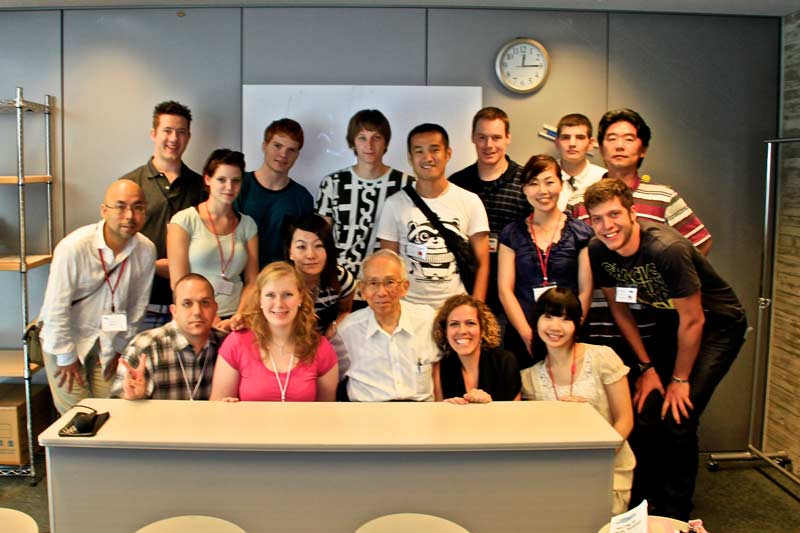
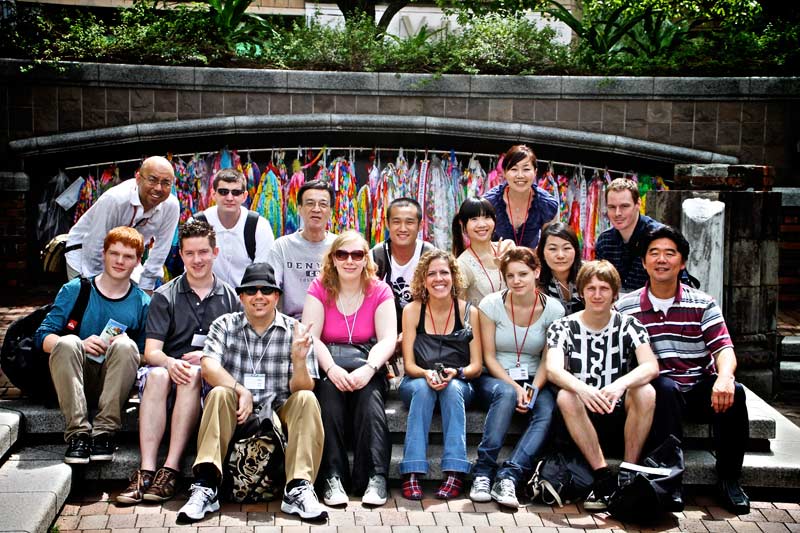
World Campus Japan Members in front of Cranes


For a lot of us this was our first time making cranes and after making the first one the thought of making 999 more did not sit so well in our heads. Luckily we had great host families and little siblings to help us along and be patient for when we made a mistake, I now know I will never forget how to make paper cranes. It is also a tradition to make cranes when someone is suffering from illness, as a prayer for their recovery, as a wish for happiness, and as an expression of sympathy and peace. You are supposed to focus on why you are making them while folding. All and all it was a great connection to make them with our host families and talk about the rich history of this story and be making them for someone that was about to share his story.

FUN FACT: The word Origami in Japanese means (ori- to fold) and (kami – paper)

Group of school kids placing cranes at site the atom bomb was dropped


(Brandon Serna – External Relations Manager for Summer ‘11 Road Team)

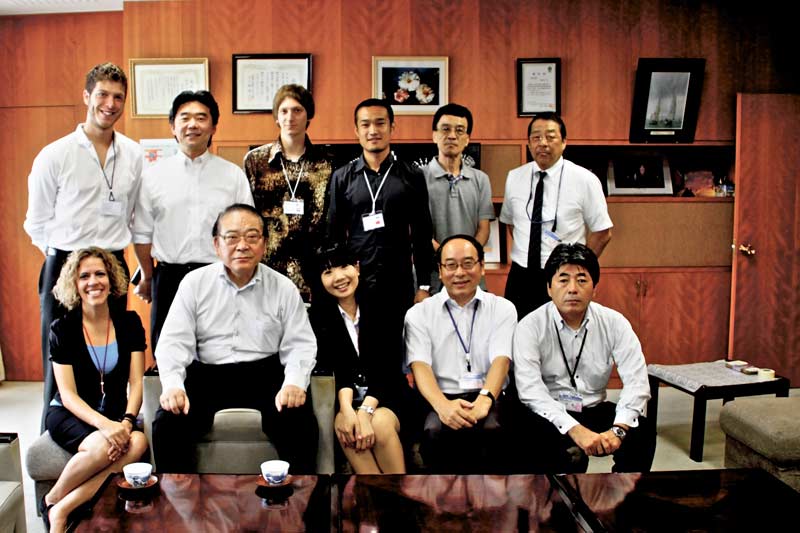
Metting Omura Mayor Matsumoto

Metting Omura Mayor Matsumoto

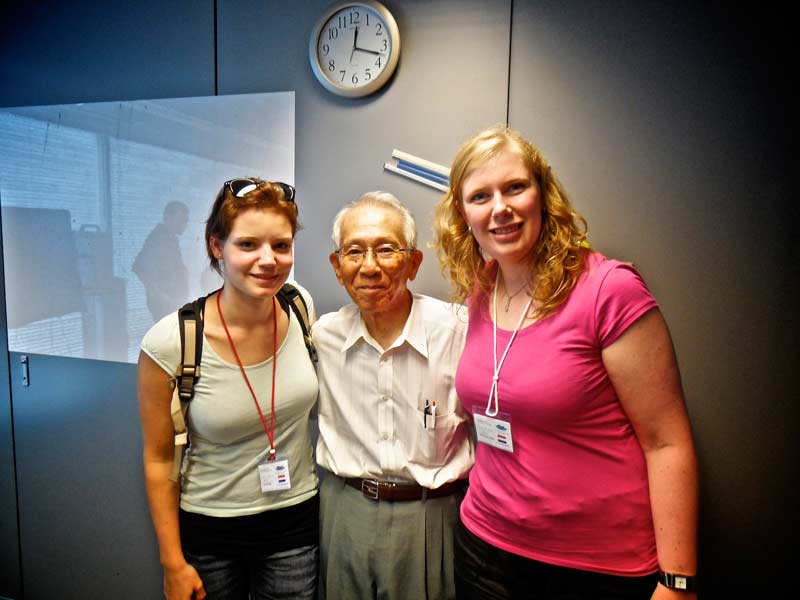
Meeting Mayor Matsumoto in Omura was such a great chance to learn about the inside view of what is going on in Omura and what are some of the future plans for the city.

We had a great conversation with Mr. Matsumoto and talked about how much we were enjoying Omura and letting him know he is the Mayor of a great city! He said they are currently working on partnering with sister cities around the world and because we represent 8 different countries we had some great ideas to help make that happen in our home towns.

We thank Mr. Matsumoto very much for spending the morning with us and we hope the best for Omura!

(Brandon Serna – External Relations Manager for Summer ‘11 Road Team)

Kicking and Screaming in Omura, Nagasaki

This week we had the opportunity to visit the Shorinji Kempo dojo here in Omura and learn the world practiced martial art Shorinji Kempo. We first had the chance to learn the history, culture, and reason for the martial art. The Sensei’s (teacher) that was speaking is now a 8th degree black belt in Shorinji Kempo. It was great to hear the story of why Shorinji Kempo was created because it’s a great way to feel more connected to why we were learning the moves. Shorinji Kempo is a young Japanese martial art compared to some of the others. In 1947 Doshin So founded Shorinji Kempo in the town of Tadotsu, Kagawa prefecture.

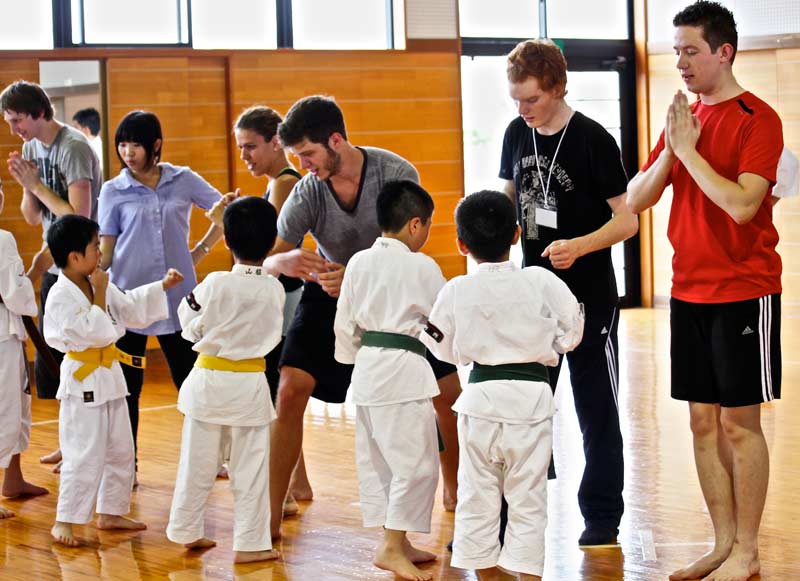
Members of World Campus Japan partnering with the Shorinji Kempo kids


Doshin’s motivation for creating Shorinji Kempo was to bring the spirit of Japan back up after World War II. During that time in Japan the rules of society, the economy, and people’s hearts were in turmoil. Doshin So’s then awakened to the knowledge that “all things depend on the quality of the people who stand in the positions of influence.” He considered that to build a peaceful world “there is no other way than to cultivate, in as many people as possible, deeply rooted compassion, great courage, and a strong sense of justice.” This is just a small portion of Doshin So’s Philosophy to the martial art and Shorinji Kempo is now taught in over 34 countries worldwide and is growing fast.

Frank Florris on the ground after a toss


So after the verbal briefing now was the time to learn first hand some Shorinji Kempo technics (all are self defense based). At first seeing the groups of kids anywhere from 6 to 13 years olds that we’ll be sparing with I thought this shouldn’t hurt too much, about 10 seconds later I was on the group quite in pain and might have lost my confidence. Luckily I looked around and almost all of us from World Campus Japan were in the same position. It was great to learn the technic from the kids because of their great spirits and patience with teaching us. Not to mention getting thrown around by a boy half my size was very enlightening. It was a day filled with fun, learning, and much soreness afterwards.

Brandon Serna learning from _____


(Brandon Serna – External Relations Manager for Summer ‘11 Road Team)

Hot summer festival!

Kappa-Festival

Hot summer day in Abiko Japan. The day of Kappa Festival right by the Abiko Train Station. This day was one of the last days of the World Campus – Japan Summer 2010 Tour and it was as busy or more busy than the first day.

Before i go into telling you what we did that day I have to explain what the Kappa Festival is right? or at least explain what a Kappa is, so here is the explanation: Kappa is a water creature, it looks like a very interesting combination of a frog with a chicken pick and a plate on his head.

The Kappa Festival has become one of the most important celebrations of the City of Abiko, they have everything from music performances which we were part of, food everywhere, there is of course a parade which we participated in and then it ends with a very cultural celebration at a park with bamboo candles everywhere, which we had the opportunity to help set up.

So, as you read, the Kappa Festival is just a celebration of life. World Campus – Japan participants not only had the chance to participate in it as a performers but we also helped with all the set up of the festival.

It was a great experience to see how people work all year long to plan this day, they also work really hard on the day of the festival to make sure everything happens as planned.

People ate, enjoyed each other’s company and celebrated the Kappa with a great Abiko spirit, which is now more than ever, a very international spirit.

Much more than hot water.

Tea Ceremony

This was forsure a very cultural learning day in World Campus – Japan. We went from rehearsing our on performance for the Kappa Festival (which we will talk about on the next few posts) to learning a very traditional dance to hula classes. But the highlight of the day was… The Tea Ceremony!

For those of you that never heard about this Ceremony, here is a little explanation about it:

“The tea ceremony is a very special event in Japanese culture. The host spends days going over every detail to make sure that the ceremony will be perfect. There are various styles of tea ceremonies and it is recognized that every human encounter is a singular occasion that will never recur again in exactly the same way, and so every aspect of the tea ceremony is savored. The ceremony takes place in a room called the chashitsu. This room is designed and designated only for this ceremony”

The participants of World Campus – Japan had the opportunity to dress up with yukatas and learn about this very traditional way of serving tea that goes above and behond warming up the water and adding tea.