Category Archives: City Theme Activities

Host Family Day in Abiko 2013


Day of activity: 2013 August 4th

We’ve arrived in Abiko (Chiba prefecture), just yesterday, and today it’s host family day. I’m used to past sessions were you got to spend more time with your host family and getting to know them before spending a whole day with them, but oh well.

We began our day by going to a place called J-World, or that is what I think, because I can’t read Japanese. I’m in a host family with Masahiro, which makes it somewhat easier to understand. J-World turned out to be a mini-indoor theme park in the upper floors of the mall, aimed at children’s anime. It was fun but short, because we had other things planned that today.

The next place we went is a retired luxury liner, though I can’t remember the name. We were allowed in to look at all the rooms, diners, and even look at the captain’s room. It was all fairly interesting and they even had explanations of parts of the boat in English.

After looking through the boat we walked to a shopping area close by and looked through the different shops. It was not really exciting, but there still were some nice things to look through.

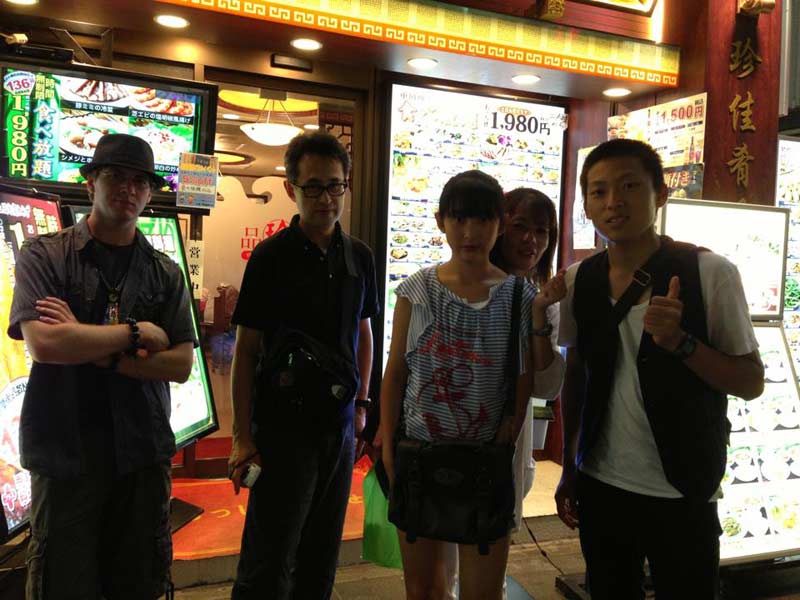
When we were done shopping, we headed out for the Chinatown of Japan (or at least, that was what I understood). We ate a restaurant, and even though the food was good and there was plenty of it, my highlight was the jasmine tea. It’s rare that I really enjoy the taste rather than just simply drinking it.

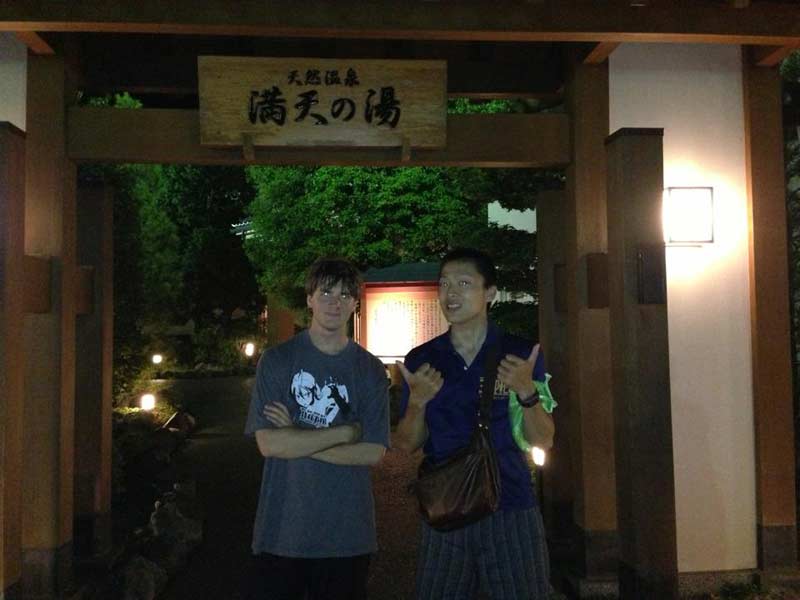
When we were full, we drove back home. There, my host father suggested that we could go to an onsen (public bath) close by. It was a good way to end the day. After going through two sessions, and knowing how an onsen revives my body, it will be a good way to start off this new session.

Michael Bock (USA)
Kumamoto Prefectural University and Kumamoto YMCA

Kumamoto Prefectural University and Kumamoto YMCA


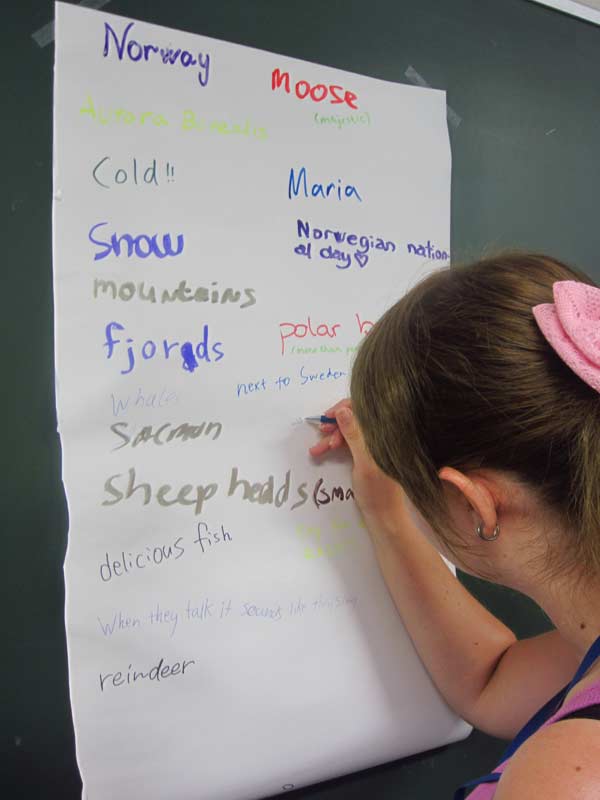
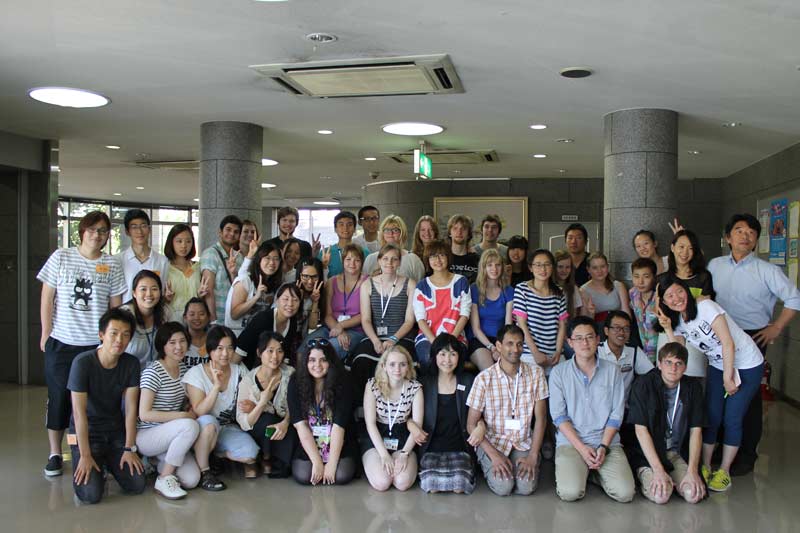
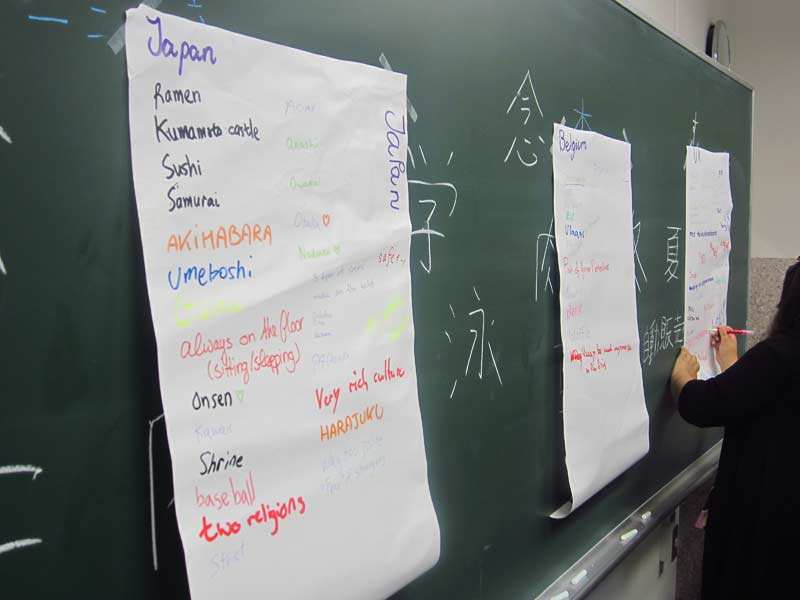
Today we visited Kumamoto Prefectural University and Kumamoto YMCA. The university students all study English and introduced themselves to us in English, much to my surprise. We responded by introducing ourselves in Japanese. We then decided to play a ‘stereotype game’, in which the students all wrote down their impressions of all 9 countries represented by World Campus (and one by a British teacher). Students (and teachers) then got a chance to comment and correct these statements. It was a nice icebreaker and a truly amazing way to learn about each other’s countries, as well as seeing what other know about your country.

Kumamoto Prefectural University and Kumamoto YMCA


We then moved to Kumamoto YMCA, where various foreigners study Japanese. We spent over 1,5 hours talking to each other in small groups, learning about everything from their country to their dreams for the future. It was a rather pleasant experience, seeing as we now got a chance to have some serious conversations with people our age in a similar situation as ourselves, despite the fact that some languages barriers were still present.

Kumamoto Prefectural University and Kumamoto YMCA


This was followed by a short trivia game about our countries as well as the YMCA student’s countries. The questions were hard, but interesting, and taught us a lot.

Oda (Norway)

Jikei Hospital in Kumamoto

Jikei Hospital in Kumamoto


Today, we went to Jikei Hospital in Kumamoto. This hospital is unique because of the so-called Stork’s Cradle, where people can give their baby away anonymously. Before the visit, we did some preparation at a nearby YMCA, which consisted of basic information about the hospital and the Stork’s Cradle, and we had several debates about topics like abortion, nationality, and anonymity. Because these topics are so delicate and hard to answer ethically, there were many different opinions. We also learned a lot about our countries though these conversations. Generally there are a lot of opportunities if adopting in the participating countries, but not many of them have something similar to the Stork’s Cradle.

Jikei Hospital in Kumamoto


When we got to the hospital, we first got to look at the Cradle itself, where people can physically give up their baby. You can either ring the bell for assistance from the staff, and then decide whether you still want to give your baby away, or you can just put the baby in the special baby hatch. Even though you can do it without talking to the staff, there is a letter in the hatch addressed to the parents. This explains that they can get their baby back if they get regrets in the future.

These and many other topics were talked about in a PowerPoint presentation by the founder of the baby hatch, Dr. Hasuda. He also explained why the organization was founded; to stop the killing of unwanted babies in Japan. In spite of the internal debate in the Japanese government, the permit was granted to Dr. Hasuda in 2007. During the rest of the meeting we could ask Dr. Hasuda questions.
The day was very educational and contributed something very special to the program, I believe.

Amalie Nielsen (Denmark)

Kids and katana

Date of Activity: July 5th

Kids and katana


Even though we had visited an elementary school yesterday, the reaction of Japanese kids to visits of the World Campus group never fails to surprise. Whereas the children from the elementary school seemed to look up to us (even though we did not do anything exceptional), the reception of the kids from the kindergarten was of a different kind. Indeed, the focus of today’s activities were lay on our visit to the Megumi Kindergarten.

Kids and katana


When we first entered, the children all acted quite shy, even after you had played with them for a while. This changed gradually during the day. After having fun making mochi and eating the delicious pieces of ‘rice dough’, we got to play with the small kids some more. Caution had been replaced with genuine fun, visible from the happy looks we received. Today was something special.

Kids and katana


In the afternoon we were to visit the sword-smith Matsunaga Genrokurou, one of the few blacksmiths in Japan that actually makes katana not for the purpose of simply displaying them. The man talked with such vigor about his work, which reflected on our experience as well. Everyone seemed to enjoy themselves even more than normal (and overly enjoying yourself is something quite inherent to the World Campus program, I noticed). Being allowed to try out pounding hot iron in Matsunaga’s workshop and swinging his swords, made the day even better.

Wester Wagenaar (The Netherlands)

Midorigaoka elementary school

Midorigaoka elementary school


Today we went to Midorigaoka elementary school. It was a lot of fun! Our group of nineteen was split up into three smaller groups, that each had a class of their own. Each class had some special activities planned for us.

We started the day with the younger kids. We sang a lot of songs together and played some games like ‘London Bridge is falling down’. We even wrote wishes for the Tanabata Matsuri with the children, and had a calligraphy lesson. Around and after lunch we joined the older children with their English lessons. Because English is really hard for Japanese to learn, it was completely different from our English lessons in The Netherlands. It was really interesting to see the difference. After lunch we gave a short thank-you event for the children. We introduced our countries to them by playing a maru/batsu game (yes or no game). I think they really enjoyed it, since they almost shouted every answer at us, and were really excited when they answered our questions right. Although it was a bit too hot to jump and dance around, it was a lot of fun to see the children participating with us. It’s funny to see how music can actually lower the wall that exists between people of different countries and cultures.

Midorigaoka elementary school


What I liked the most about today was how the children interacted with us, a bunch of complete strangers. Although some of them were shy in the beginning, they became really excited and energetic when they spoke privately with us. During lunchtime, we each ate in a different class. The children in my class had prepared a special chair for me and were so excited to see me. They kept asking questions about my favorite food, music, insects, etc. The language or culture barrier was totally not a problem during this time. They were generally happy to see me and wanted to play with me. It really touched my heart, they were all so sweet. I would like to return next year and play with them again!

Lisanne (The Netherlands)