All posts by Thomas Greve

Chuou Elementary School

Chuou Elementary School

Chuou Elementary School

Day of activity: June 23rd

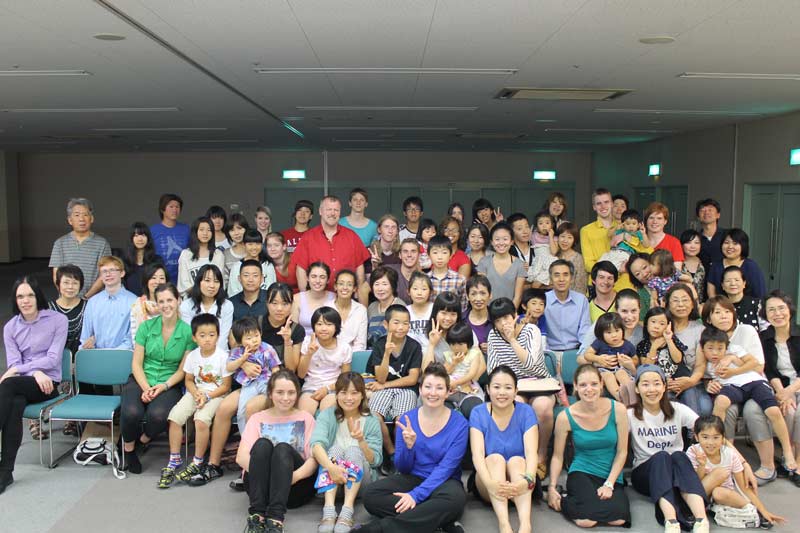
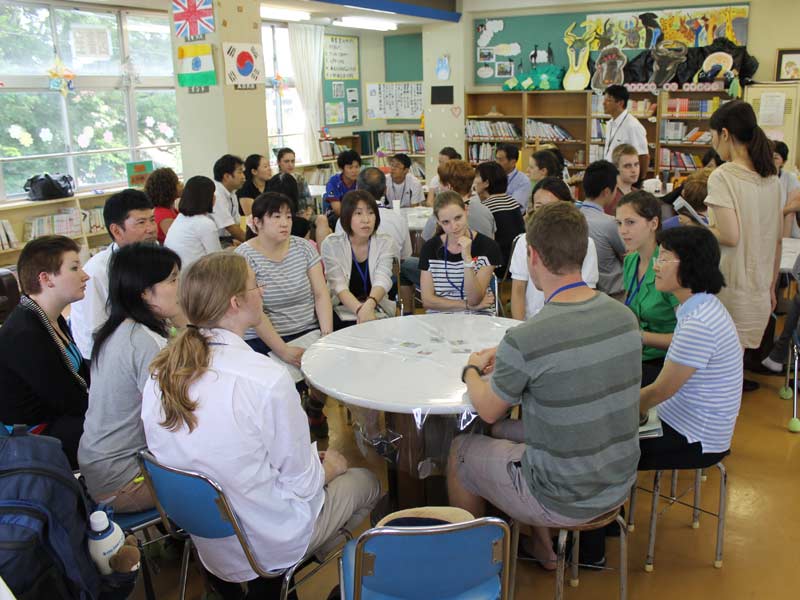
On the last day of the first session we visited Chuou Elementary School. The school took the opportunity of us coming to the school to let the children practice their English. The conversations we had with the children were simple, but I think it was great that the children could use some English and some children really made an effort to communicate with us, I hope the children learned a lot this day!

During the discussion time with the teachers later that day we talked about the Japanese school system and that of various other countries. The teachers were interested to know more about our countries and they shared their knowledge with us. It was a great opportunity for us to have time to talk with the teachers.

At the end of the day we had to say goodbye to five of the participants because their World Campus experience had sadly come to an end. I am really going to miss them and I hope I will see them again someday, maybe in Japan!

Iris Spruit (The Netherlands)
Host family day in Arao

host family day in Arao

host family day in Arao

Day of activity: June 22nd 2014

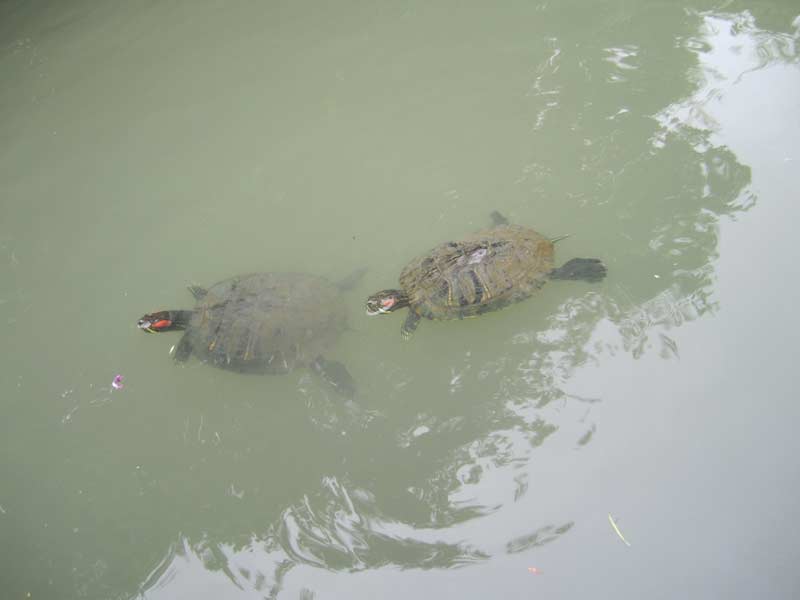
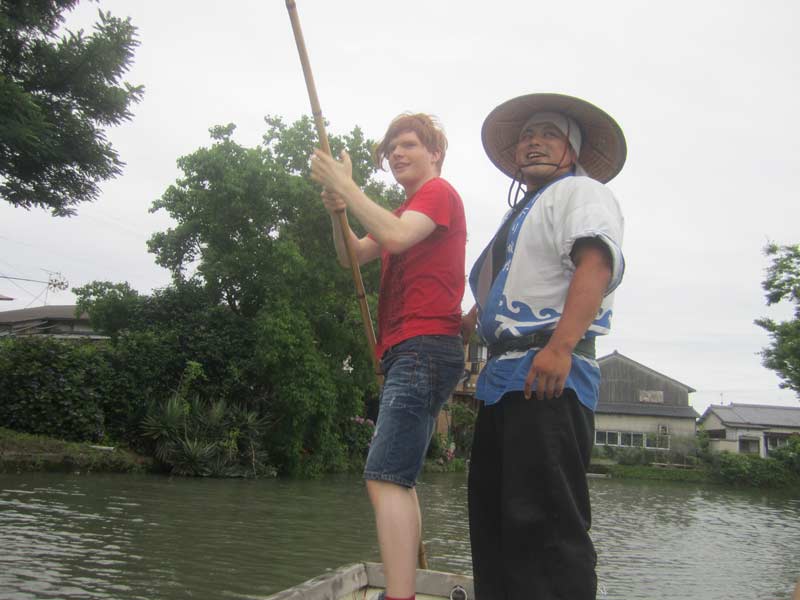
For our host family day in Arao, my room mate and I went to Yanegawa with our host family. Yanegawa is famous for it’s beautiful river, and we had the pleasure of being able to ride a guided tour through the river. Although the guide was speaking in Japanese, which is not one of my strong sides, the ride was still very much entertaining. The guide was throwing jokes, singing us songs, and was welcoming enough to let us try to steer the boat, something that turned out to be incredibly difficult. The view of the river was fantastic – there was beautiful trees and flowers along the rivers edge, the river itself was filled with turtles, and the air was full of butterflies. Every now and then, our boat had to go beneath a bridge, however the water level of the river was very high due to the rainy season, so we all had to take cover to avoid our heads from hitting the bridges. In the evening we went to a restaurant where we enjoyed unagi (grilled eel). It was, like most Japanese food, very delicious. The day was all great fun, and I’m very glad I got to experience this with my host family!

Joakim (Norway)

2014 Arigato Event in Arao

Arigaro Event in Arao

Arigaro Event in AraoDay of Activity: June 21st

Today we rehearsed for the Arigato Event that we preformed in the evening. For the culture pieces we not only had someone to play the piano but also flute and violin involved in this part of the Arigato Event, which I thought was very impressive. After rehearsing the event a couple of times, we were told that World Campus International were having a mascot contest. The purpose of the contest is to find a mascot for WCI that best represents the message of WCI. Everyone is encouraged to participate to design the mascot and the prize is one free session in WCI next summer so many were eager to participate!

The Arigato Event went very well and the evening ended with a lot of happy host families and WCI participants. My stay in Arao has definitely been an unforgettable experience that I will never forget and the Arigato Event only confirmed my decision to return to this wonderful city again in the future.

Amalie (Denmark)

Okunoin temple, Swordsmithing & Iaido experience

Day of Activity: June 20th

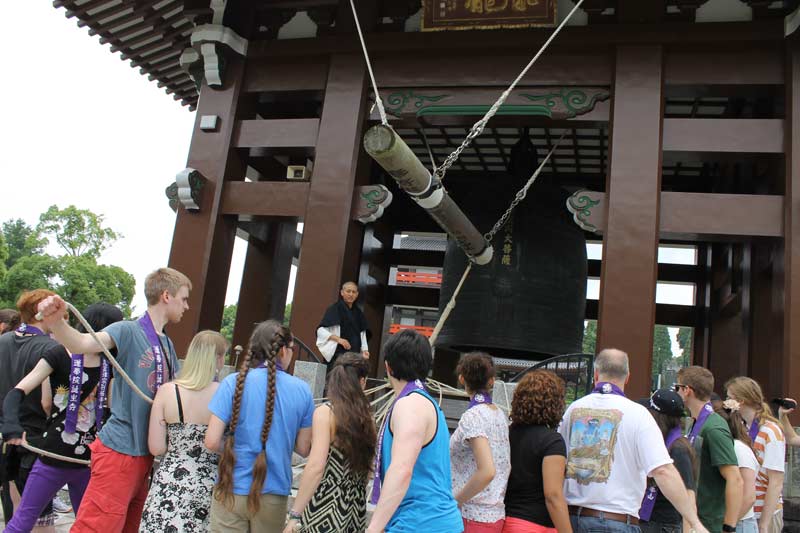
After we visited the mayor the same day, we headed to Okunoin temple, which houses the largest temple bell in the world. Weighing approximately 37.5 tonnes, it is made in the image of the sitting Buddha. After receiving a prayer from a priest, we were allowed to hit the bell, which gave a deep, almost heavy, sound. We were then allowed to explore the quite vast temple grounds before we were shipped off to a swordsmith.

Bell & Sword 1

Upon arriving at the workshop of the swordsmith, we were standing in an iaido dojo. The actual workshop was a smaller building in the back of the property, reached after going through a zig-zag of narrow pathways.

The swordsmith, one of the few remaining of his kind, showed us the traditional way to make a Japanese katana, by flattening and folding a piece of metal many times, a layered metal is created, giving the swords their strength. The time it takes to make a single sword is roughly 3 months.

As it was very cramped with all of us stuffed into his small workshop, things got lively when the sparks started flying from the pieces of red-hot metal. We were also given a chance to experience just how soft (or hard) red-hot metal is, by getting some hands-on experience at metalworking.

Bell & Sword 2

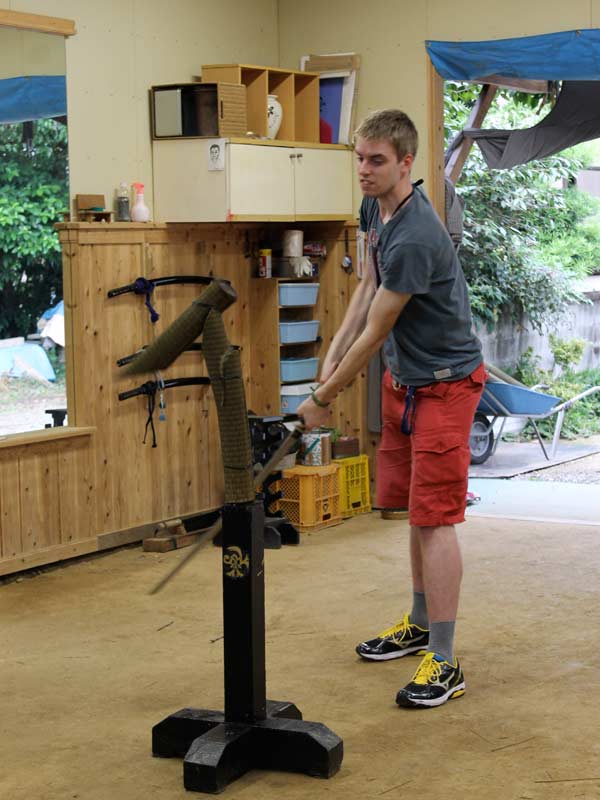
Finally, back in the iaido dojo, we were first given a demonstration of iaido, and then a few lucky people got to try their hand at swinging a sword at a dummy made of we rolled up tatami mats. Being one of the lucky ones, I can confirm that it was very satisfying to cut the dummy in half with a single slash of the sword. At the end of the day, we took pictures of ourselves posing with the swords, said goodbye to the iaido practitioners and the swordsmith and called it a day.

Bell & Sword 3

Hands-on experience like metalworking ad iaido are ones that even native Japanese people rarely get to try, so this was absolutely a very fun, and at times thrilling, experience.

Espen

Mayor visit in Arao

Day of Activity June 20th

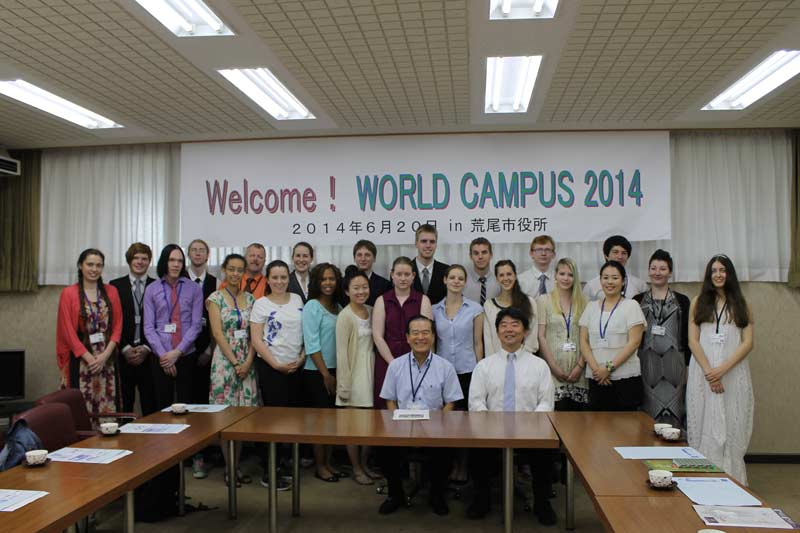
Today was the most eventful day so far. From early in the morning we were dressed in our best outfits to meet the mayor of Arao city, Mr. Maebata. He gave us a general introduction to the geography and history of the area. We learned that Arao was once a prosperous coal mining town whose main mine, the Manda coal mine, had ceased its ore extraction operations in 1951. The amusement park “greenland”, whose ferris wheel towers over the city, made its obligatory cameo, and with the city pushing for the Manda coal mine’s acceptance as a UNESCO world heritage site, and Arao’s numerous natural tourist attractions, like the Arao tideland and wetlands, the Mayor revealed ambitions of a booming tourism industry in the area.

After Mr. Maebata finished his address, he opened for a Q&A session, and we were allowed to ask him about both business and leisure. This was a unique opportunity to gain an impression of Japanese politics at the city level. Unless you know enough Japanese to read a newspaper or follow the news on television, foreigners are usually only exposed to politics at the national level, so this was a valuable opportunity.

2014 Mayor visit in Arao

A few days later our visit was featured in the Ariake Shinpo, the local newspaper for the Omuta and Arao area.

10250664_740938652618828_1372895975_n-1

Espen